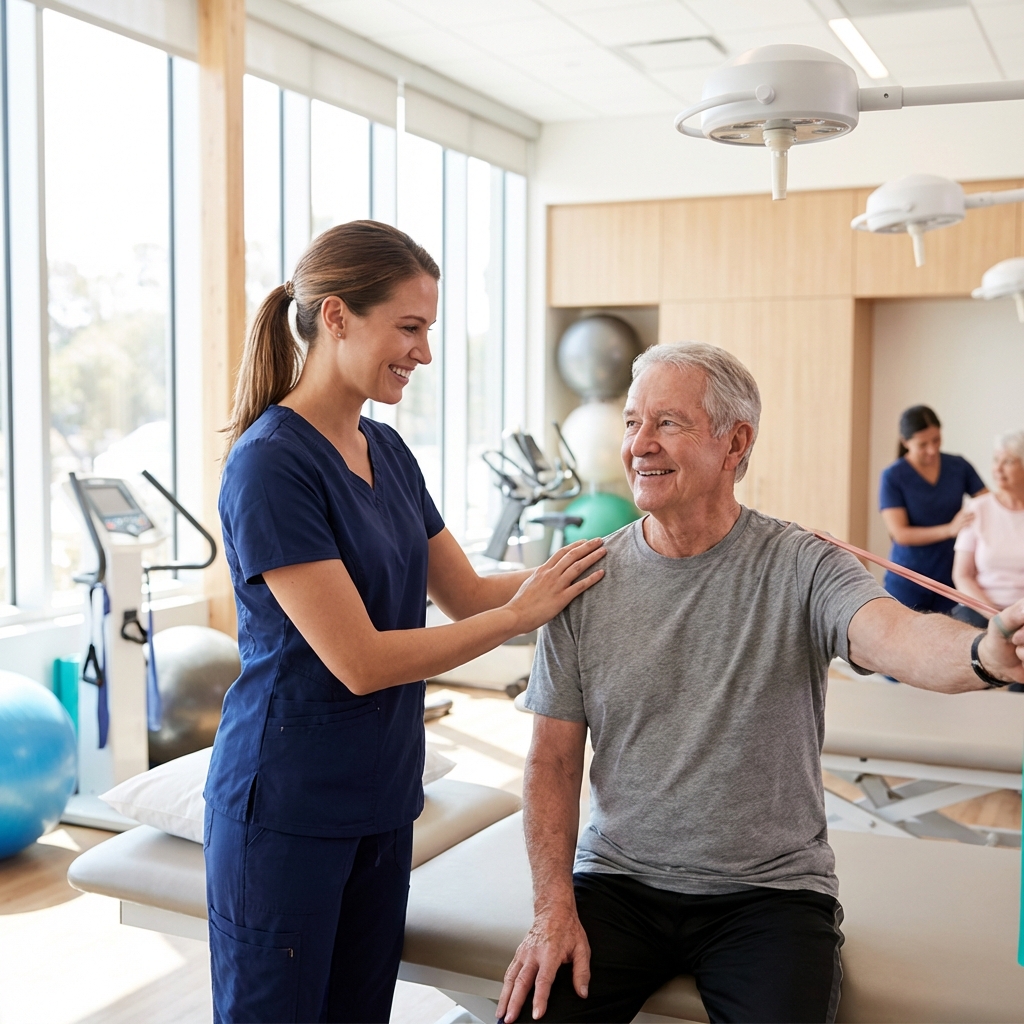
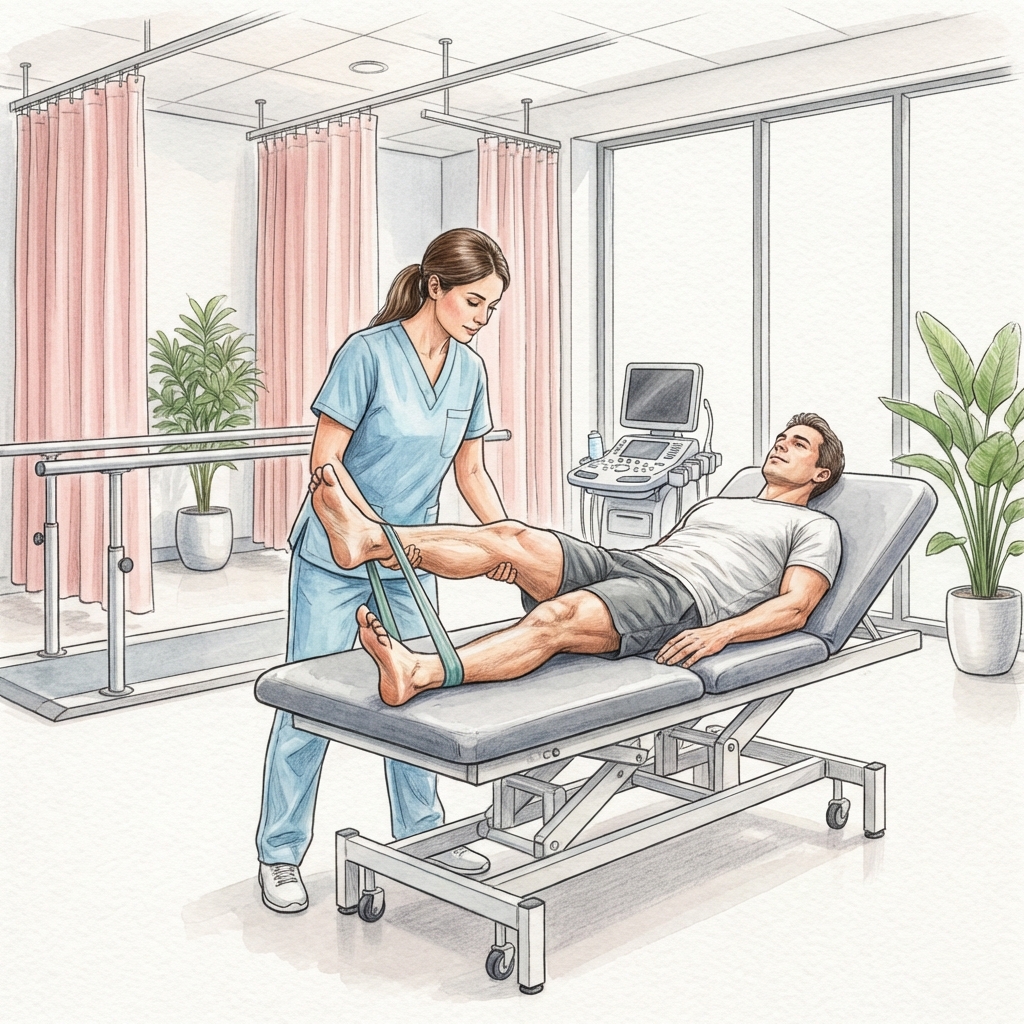
Recovery after stroke needs timely, comprehensive rehabilitation. HandsViet builds a detailed plan around the severity of impairment, cardiovascular status, communication needs, and the priorities of the patient and family.
HandsViet always starts with a comprehensive review of the current condition, functional limitations, and real-life daily challenges. The intervention plan therefore addresses not only symptoms, but also safe, sustainable movement and the personal goals that matter to each patient.
Alongside in-clinic treatment, the program emphasizes home exercise, daily habit adjustment, and relapse prevention education. This approach keeps recovery progressing between therapy sessions and improves medium-term and long-term results.
Throughout the pathway, progress is reviewed with clear functional indicators so the treatment plan can be updated at the right time. Each stage therefore has a clear target, making recovery more actionable for patients, easier for families to support, and more effective in practice.
-
Comprehensive functional assessment from the earliest stage possible.
-
Short-term and long-term goals mapped into a structured recovery pathway.
-
Home-care education and secondary stroke prevention guidance.
These are the common diagnoses and functional conditions seen in this field. Identifying the right problem from the start shortens treatment time and reduces the risk of going in the wrong direction.
Weakness or paralysis on one side of the body
Language or speech difficulties after stroke
Swallowing difficulty
Memory and cognitive changes after stroke
The methods below are combined flexibly according to each stage of recovery rather than applying one rigid protocol to every case. Personalizing intervention reduces overload, improves treatment response, and helps maintain stable results after the program ends.
- Bed mobility and transfer training
- Walking practice with the right assistive devices
- Coordinated speech and language therapy
- Nutrition counseling and stroke prevention guidance
The pathway is standardized to clinical principles while staying flexible to real patient response. Each milestone includes measurable checkpoints so the team can evaluate effectiveness and adjust the plan when needed.
-
1
Screen risk level and degree of dependence
-
2
Begin daily targeted intervention
-
3
Reassess progress every week
-
4
Prepare a maintenance plan before discharge
Results depend on the initial level of injury, how early intervention begins, and how consistently the patient follows the exercise plan. HandsViet sets realistic stage-by-stage goals so progress is visible and motivation stays strong throughout recovery.
-
Higher independence in daily activities
-
Improved communication and mobility
-
Lower rehospitalization risk from complications
This program is suitable for patients with movement limitation, persistent pain after injury or surgery, and anyone who needs focused rehabilitation to return to work, study, and normal daily life.
- 01.Patients in the acute stage who need early intervention after a medical event.
- 02.Patients with chronic conditions who need pain management and long-term functional support.
- 03.People returning to sport or physically demanding work who need performance recovery and reinjury prevention.
If you notice any of the signs below, you should seek an early assessment so treatment can begin at the right time:
Pain lasting more than 7 days without improvement despite rest
Numbness, muscle weakness, balance loss, or difficulty walking
Restricted range of motion affecting daily activity
Slow recovery after injury or surgery
This is a sample roadmap to help patients understand the expected pace of progress. The actual plan will be adjusted according to diagnosis, physical capacity, and treatment response.
Weeks 1-2
Control pain and inflammation, restore basic movement.
Weeks 3-4
Increase range of motion and begin basic strengthening.
Weeks 5-6
Progress to more advanced functional training for work and daily activity.
Weeks 7-8
Review results and hand over the home maintenance program.
HandsViet is committed to transparent treatment goals, clear functional tracking, and continuous support throughout the rehabilitation journey. Patients and families are kept informed so they can participate effectively in care.
How soon can improvement be seen?
Many patients show meaningful changes within 2 to 6 weeks when they follow the program consistently.
Can post-stroke exercise continue at home?
Yes, but it should follow a structured home program with regular review by the rehabilitation team.