

Occupational therapy
Restore independence in daily life, learning, work, and the activities that matter most to each patient.

What is occupational therapy?
Occupational therapy is a rehabilitation specialty that helps patients regain the ability to perform daily activities such as eating, dressing, self-care, studying, working, and participating in society.
This approach goes beyond limb movement and evaluates how the patient interacts with home, work, and social roles.
The final goal is to bring patients back to an independent, safe, and meaningful life, rather than improving a few isolated movements only.
The role of occupational therapy
OT bridges medical treatment and independent living. Intervention plans are built around each patient's real-life needs instead of focusing on symptoms alone.
- Daily living skills recovery: Eating, dressing, bathing, writing, using a phone, or handling kitchen tasks.
- Fine motor improvement: Increase hand dexterity, eye-hand coordination, and grip control.
- Environmental adaptation: Adjust living spaces, choose assistive devices, and build safe routines that reduce dependency.


Who should receive occupational therapy?
Occupational therapy is suitable for children, adults, and older adults who struggle with everyday tasks due to neurological, musculoskeletal, or developmental conditions.
- Neurological conditions: After stroke, brain injury, spinal cord injury, or Parkinson's disease.
- Musculoskeletal conditions: After hand surgery, chronic pain, osteoarthritis, or upper-limb movement limitations.
- Pediatrics: Children with developmental delay, cerebral palsy, autism, or difficulty participating in school and self-care routines.
Occupational therapy treatment process
Assessment
Evaluate ADL performance, fine motor function, cognition, and the patient's real-life needs.
Goal planning
Coordinated with doctors and family
Define priority goals and build a personalized pathway that matches the patient's living environment.
Intervention

Train practical skills, adapt the environment, and trial assistive devices to increase independence.
Reassessment
Track progress regularly and refine the program so goals are achieved in real-world settings.

Benefits of occupational therapy
Timely intervention improves physical capacity, confidence, and social participation at the same time.
- More independence: Less dependence on caregivers during everyday routines.
- Return to meaningful roles: Step back into school, work, and activities that matter.
- Lower complication risk: Reduce falls, contractures, secondary pain, and long-term loss of confidence.
Occupational therapy at HandsViet
HandsViet builds a real-life practice environment, from self-care skills to complex hand tasks, so therapy stays closely connected to the patient's daily life.

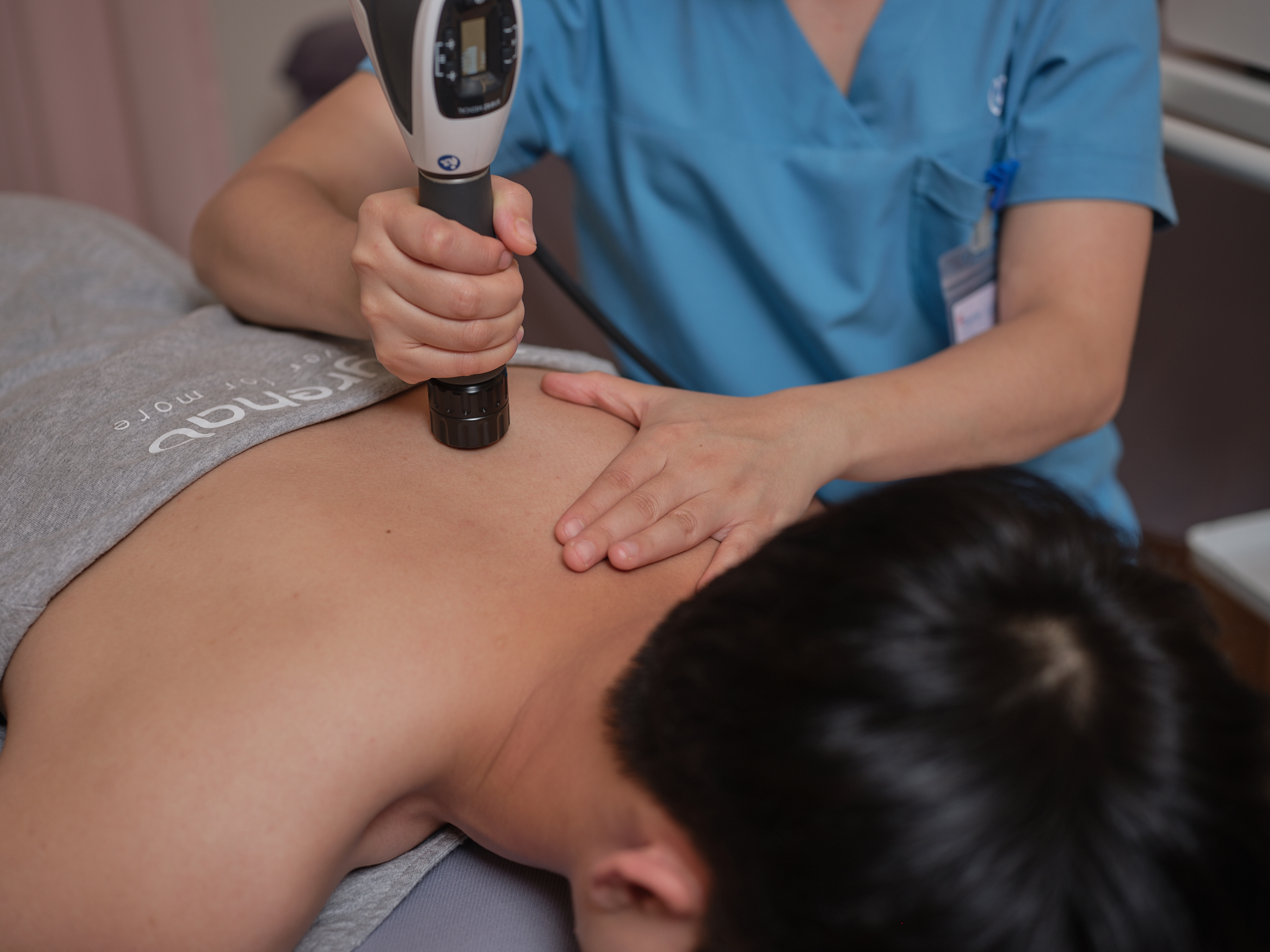
Therapists and doctors work closely together so every treatment goal is practical, clear, and measured by real-life outcomes.
Start your recovery journey today
If you or a family member are struggling with daily activities, begin with an assessment to identify what is limiting independence.