
Driver Injured by Broken Chain While Towing Truck Through Mud
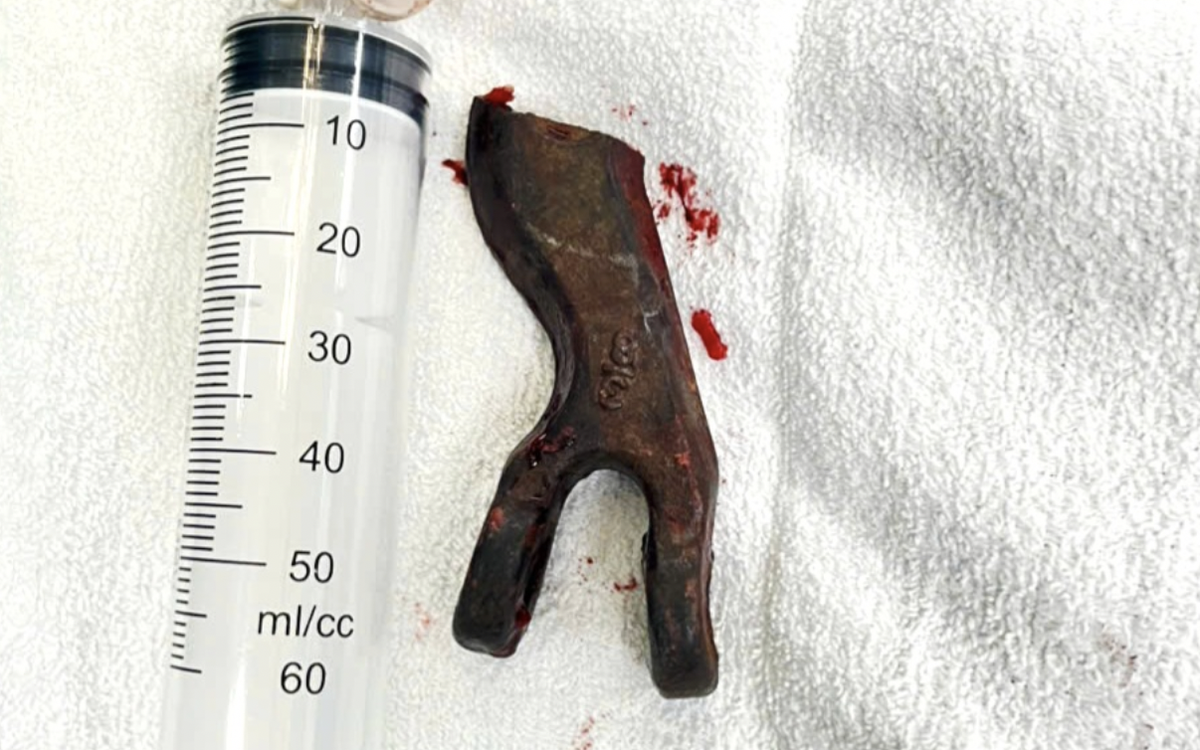
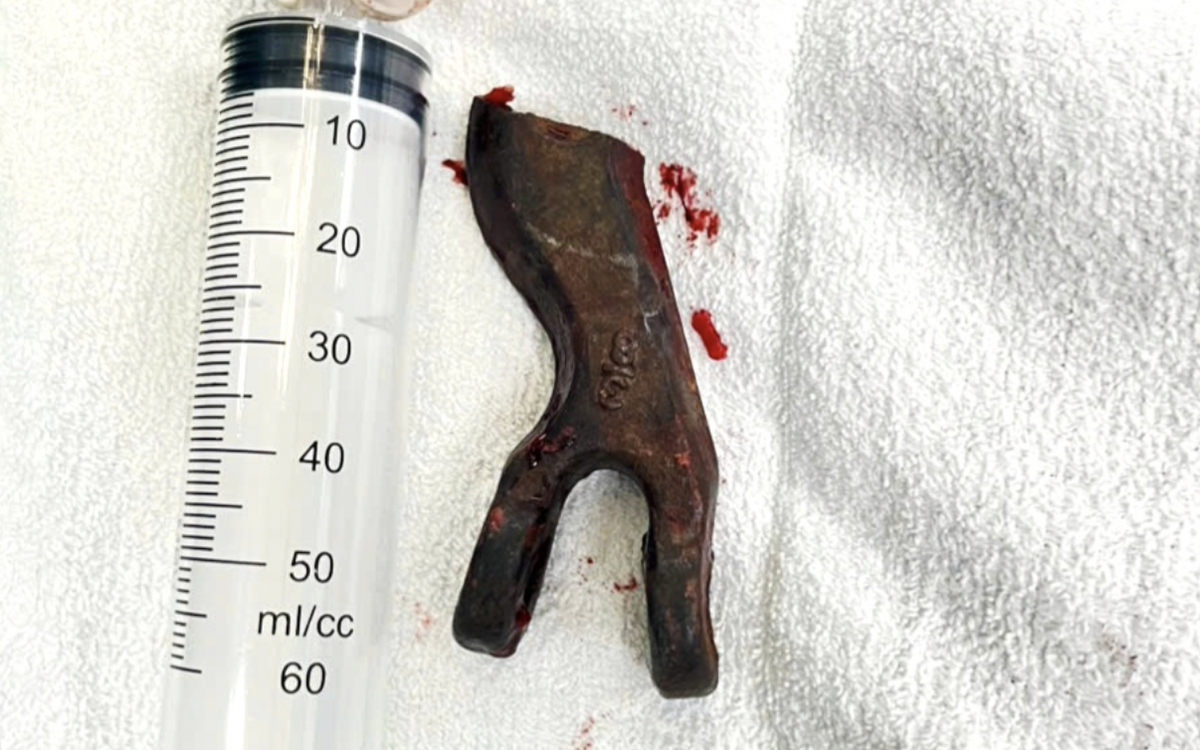
While attempting to pull two trucks through a muddy patch using a metal chain, the chain suddenly broke and struck the driver in the face. The impact caused a metal object to penetrate his eye socket, resulting in a serious injury.
Key Points to Note
- This is a quick summary compiled from RSS sources and should be cross-referenced with the original article.
- Readers are advised to seek professional advice before applying any information to their personal situations.
- Prioritize official sources and the latest updates from reputable health authorities or hospitals.
Reference Source
This article is compiled from: Tuoi Tre.
Overview
Driver Injured by Broken Chain While Towing Truck Through Mud. A driver suffered a severe injury when a metal chain he was using to tow two trucks through a muddy area unexpectedly snapped. The chain struck him in the face, penetrating his eye socket and causing significant damage. This article is edited in a practical format for general readers, highlighting clinical context, warning signs, risk groups, and safe care pathways. It also clarifies when to seek medical attention, how to coordinate with clinicians, and how rehabilitation planning can reduce long-term complications.
This article belongs to Medical News and prioritizes clarity, clinical safety, and practical guidance that readers can apply in daily care decisions.
Key signs and risk groups
- Track persistent, recurrent, or worsening symptoms over time.
- Consider age, comorbidities, mobility level, sleep quality, and nutrition status.
- Review work and lifestyle factors that may aggravate symptoms.
Initial management direction
Avoid prolonged self-medication without professional guidance. If symptoms affect daily activities, seek clinical evaluation early to confirm causes and set an appropriate treatment plan.
During recovery, maintain suitable physical activity, monitor treatment response, and attend follow-up visits to adjust the plan as needed.
Practical recommendations
- Keep a simple symptom timeline to support clinical consultations.
- Prioritize healthy routines: adequate sleep, balanced nutrition, and stress control.
- Follow rehabilitation and home-safety instructions consistently.
- Ask clinicians to clarify any unclear treatment steps.
Clinical note
This content is for educational reference and does not replace direct diagnosis. All treatment decisions should be based on in-person assessment by qualified clinicians.
References
Overview
Driver Injured by Broken Chain While Towing Truck Through Mud. A driver suffered a severe injury when a metal chain he was using to tow two trucks through a muddy area unexpectedly snapped. The chain struck him in the face, penetrating his eye socket and causing significant damage. This article is edited in a practical format for general readers, highlighting clinical context, warning signs, risk groups, and safe care pathways. It also clarifies when to seek medical attention, how to coordinate with clinicians, and how rehabilitation planning can reduce long-term complications.
This article belongs to Promotions & Events and prioritizes clarity, clinical safety, and practical guidance that readers can apply in daily care decisions.
Key signs and risk groups
- Track persistent, recurrent, or worsening symptoms over time.
- Consider age, comorbidities, mobility level, sleep quality, and nutrition status.
- Review work and lifestyle factors that may aggravate symptoms.
Initial management direction
Avoid prolonged self-medication without professional guidance. If symptoms affect daily activities, seek clinical evaluation early to confirm causes and set an appropriate treatment plan.
During recovery, maintain suitable physical activity, monitor treatment response, and attend follow-up visits to adjust the plan as needed.
Practical recommendations
- Keep a simple symptom timeline to support clinical consultations.
- Prioritize healthy routines: adequate sleep, balanced nutrition, and stress control.
- Follow rehabilitation and home-safety instructions consistently.
- Ask clinicians to clarify any unclear treatment steps.
Clinical note
This content is for educational reference and does not replace direct diagnosis. All treatment decisions should be based on in-person assessment by qualified clinicians.